
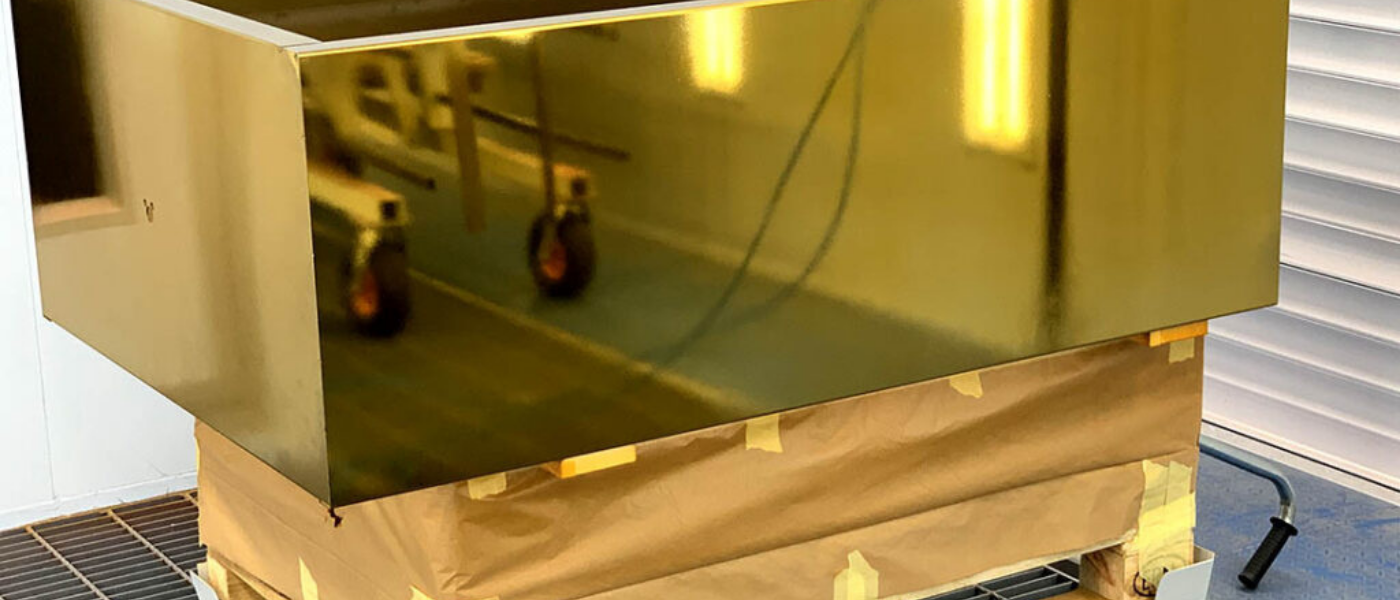
Industrial Liquid Coating on Glossy Metal: Techniques and Advantages
Industrial liquid coating is one of the most widely used solutions for treating metal surfaces, providing protection, durability, and impeccable aesthetics. However, when it comes to glossy metal, it is essential to adopt specific techniques to ensure optimal paint adhesion and a long-lasting result.
1. Preparing Glossy Metal for Industrial Coating
To achieve a high-quality coating, surface preparation is crucial. Glossy metal has a less porous surface, making paint adhesion more challenging. Key steps include:
Degreasing and Cleaning
-
Remove oils, grease, and impurities using industrial solvents or specialized detergents.
-
Wash with alkaline or acidic products depending on the type of contaminants.
-
Ensure the surface is completely dry before proceeding.
Adhesion Treatments
-
Sandblasting or micro-abrasion: Enhances surface roughness, improving primer adhesion.
-
Mechanical sanding with fine abrasives: Useful when sandblasting is not possible.
-
Primer application: Creates a compatible layer between the metal and the paint.
2. Applying Industrial Liquid Paint
After preparation, the coating can be applied using advanced technologies:
Application Techniques
-
Airless Spraying: Ideal for even coverage without overspray.
-
HVLP (High Volume Low Pressure): Reduces paint consumption and ensures uniform finish.
-
Electrostatic Spraying: Improves adhesion of paint particles to the metal and reduces waste.
Paint Selection
For glossy metal, recommended options include:
-
Epoxy paints: Excellent chemical and mechanical resistance.
-
Polyurethane paints: High flexibility and long-term durability.
-
Industrial acrylic enamels: Ideal for high-quality aesthetic finishes.
3. Drying and Curing
After application, the paint must be stabilized through various processes:
-
Air drying: Suitable for solvent- or water-based paints.
-
Drying ovens: Accelerate curing, improving durability.
-
UV or IR treatments: Used for fast coating cycles.
4. Quality Control and Finishing
The final stage involves rigorous verification tests:
-
Adhesion tests (Cross-Cut Test): Evaluate paint durability.
-
Film thickness measurement: Using specialized instruments.
-
Resistance testing: Against impacts, abrasion, and chemicals depending on the end use.
Conclusion
Industrial liquid coating on glossy metal requires meticulous preparation and advanced technology to ensure high performance and long-lasting results. With the right treatment, it is possible to achieve a perfect finish, enhancing both the aesthetics and protection of metal components.