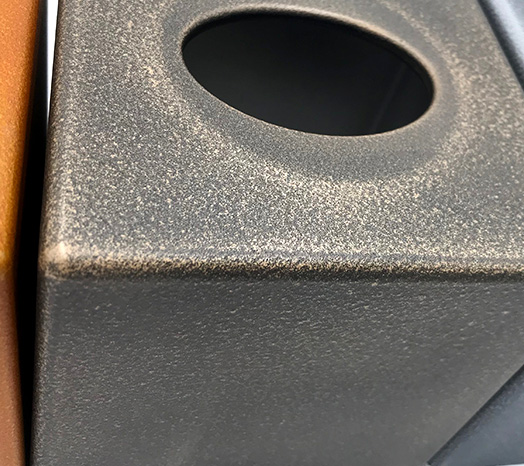
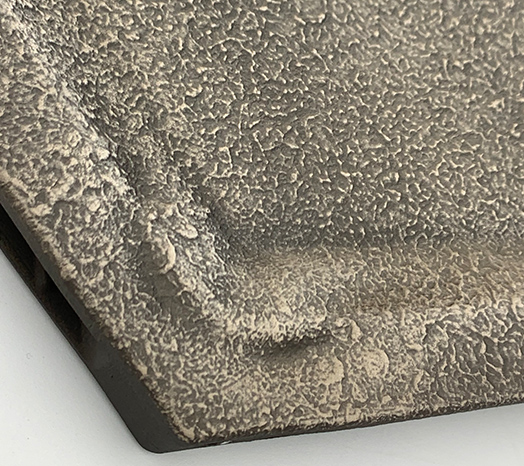
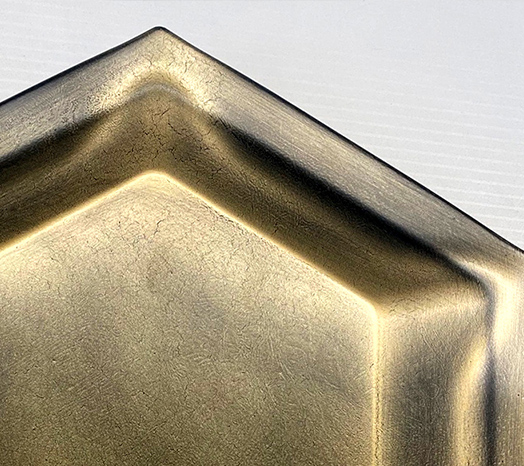
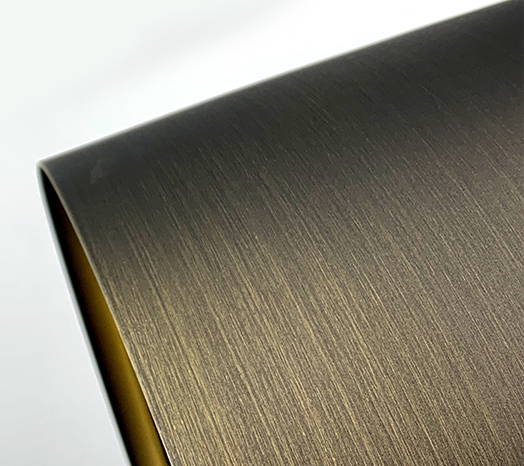
Here are the main stages of the process:
1. Surface Preparation
The quality of the final result largely depends on proper preparation. The surface is thoroughly cleaned to remove dirt, grease, oils, or other impurities. In some cases, preliminary treatments such as sanding or the application of a primer may be necessary to improve paint adhesion.
2. Paint Selection
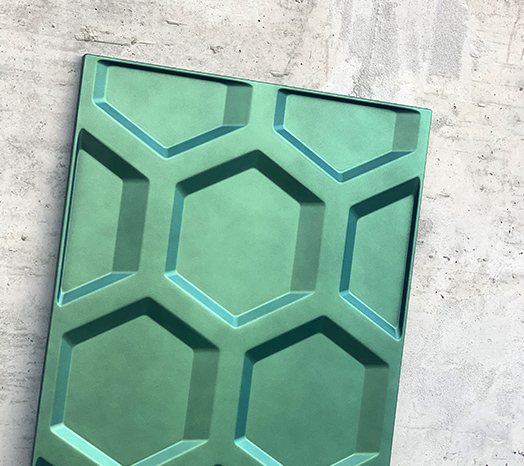
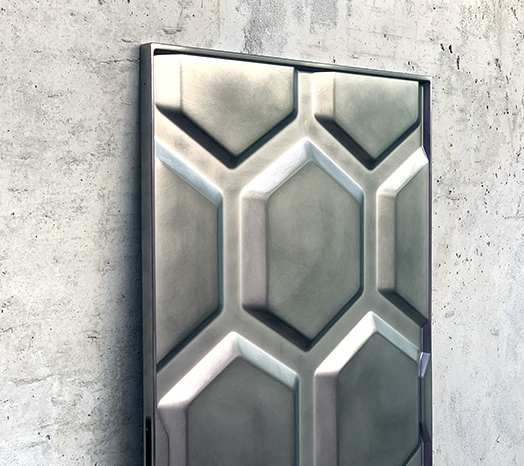
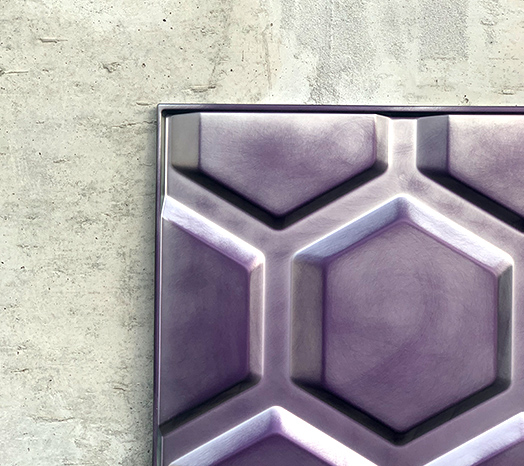
The paint is chosen based on the project requirements. Liquid paints can be solvent-based or water-based, with various finishes available: glossy, matte, satin, or metallic.
3. Paint Application
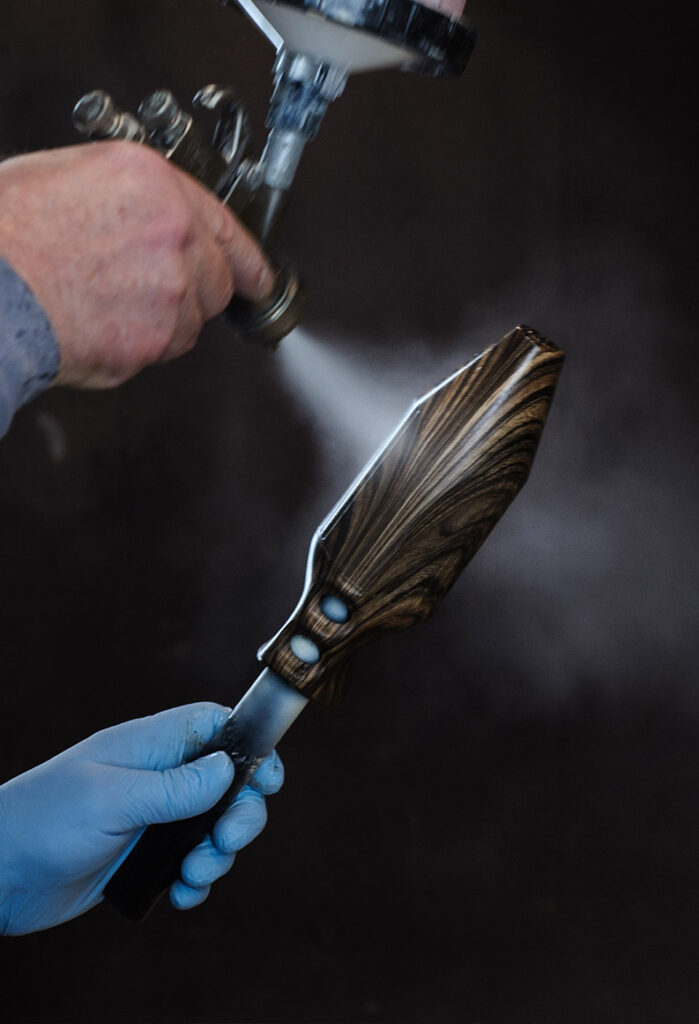
The paint is applied using spray guns, ensuring an even distribution of the product. The process can be manual, for greater control, or automated, such as in a spray booth. Application is done in thin layers to prevent runs and achieve perfect coverage.
4. Drying or Curing
After application, the painted surface must dry or cure. This can occur at room temperature or in special ovens to accelerate paint polymerization. The duration varies depending on the type of product used.